District-Operated Microschools: The Option Missing from Most Choice Portfolios
Published
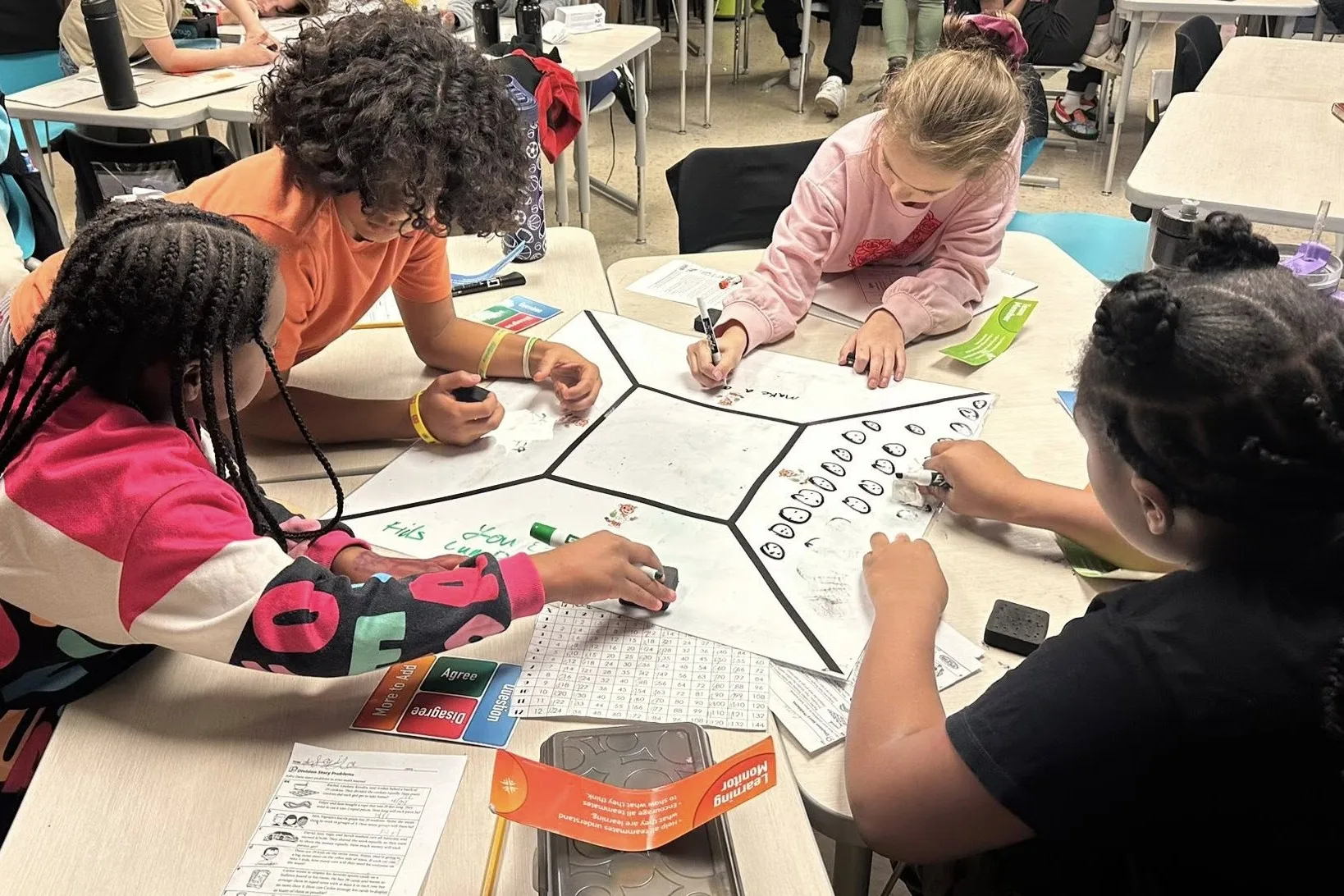
Most choice portfolios are built around themes and programs such as STEM academies, dual language, arts, or International Baccalaureate tracks. What is missing is a fundamentally different option—one that attracts families that have largely remained out of reach for public schools.
Today’s parents and guardians are seeking something other than what they perceive as “institutional public school.” District-operated public microschools offer a new category of choice: small, personalized, and designed to feel like a boutique “private” school inside existing public schools.
The Missing Boutique Experience in Choice Portfolios
In a survey of parents, the number one motivator behind their decision to leave traditional public schools was to pursue better personalized education opportunities for their children (Lake Research Partners, 2023). Even robust choice portfolios can struggle to reach these families that seek a “boutique” school experience—one that is personalized to their child’s needs and highly responsive.
The 2025 report How Public Schools Can Build Better Microschools and Win Back Families (Toth & Grego) details the research behind what parents perceive as institutional vs. boutique.
| Perceptions of “Institutional” School Experience | Perceptions of “Boutique” School Experience |
|---|---|
|
|
A Licensed Microschool Model That Expands Choice Portfolios
District-operated microschools are not replacements for magnets or other choice options—they add a new category of choice to the portfolio. By providing the small boutique “private” school experience families are seeking, they retain and recruit those who might otherwise choose private schools, homeschooling, charter schools, or other alternatives outside the public system.
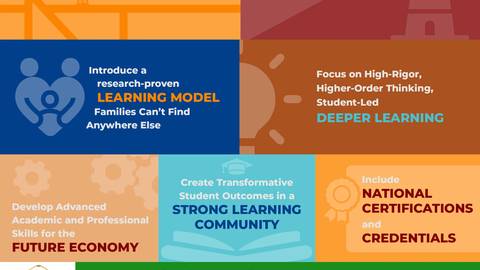
For a rapid and successful launch of this emerging choice option, Instructional Empowerment’s research team designed Certified Microschools for Deeper Learning. These district-operated microschools operate inside unused classrooms within existing public schools and leverage district staff, facilities, and systems, while keeping 100% of per-pupil funding in the district.
Turnkey support in the licensed model includes:
- Extensive training, coaching, and credentialing for teachers, including a dedicated expert certified coach from Instructional Empowerment who helps teachers ensure rigorous academics, deeper learning skill development, and personalized attention
- A team of Instructional Empowerment expert specialists for marketing and recruitment, expanding the district’s reach to hard-to-attract families
- An onsite customer experience specialist provided by Instructional Empowerment and focused on family communication and the boutique experience
- National certifications to ensure quality, consistency, and accountability
The model is designed to operate cost-neutral to revenue positive in the first year.
“This is powerful, going out and promoting this boutique experience: how it benefits students and families to win back families that are not currently in the public school system. That’s the goal here: to bring back families that have left the system or have not considered the public system and their choice offerings.”
— Michael D. Toth, Award-winning education author and CEO of Instructional Empowerment
From the recorded national webinar: How District-Operated Microschools Can Win Back Families
Through Certified Microschools for Deeper Learning, districts gain a fully supported choice option that is structurally distinct from other programs—one that fulfills unmet family demand, strengthens the district’s choice portfolio, and keeps families in public schools.
References
Lake Research Partners. (2023). Voter survey. https://hunt-institute.org/wp-content/uploads/2023/11/report.THI_.Voter-Survey-2023.f.2023.09.05.pdf
Toth, M.D., & Grego, M.A. (2025). How public schools can build better microschools and win back families. Instructional Empowerment. https://go.instructionalempowerment.com/microschools
About Instructional Empowerment
Instructional Empowerment partners with PK–12 teachers, principals, and district leaders to turn rigorous instruction into measurable, lasting gains in student achievement. Through research-validated tools and partnerships, including the Model of Instruction for Deeper Learning®, School Turnaround, Leadership Development, RigorWalk®, and the School Comprehensive Needs Assessment, we build the capacity and systems schools need to improve and keep improving.
Model of Instruction for Deeper Learning® is a registered trademark of Instructional Empowerment and is research-validated.
New research and school results, in your inbox.
By subscribing you agree to our Privacy Policy.