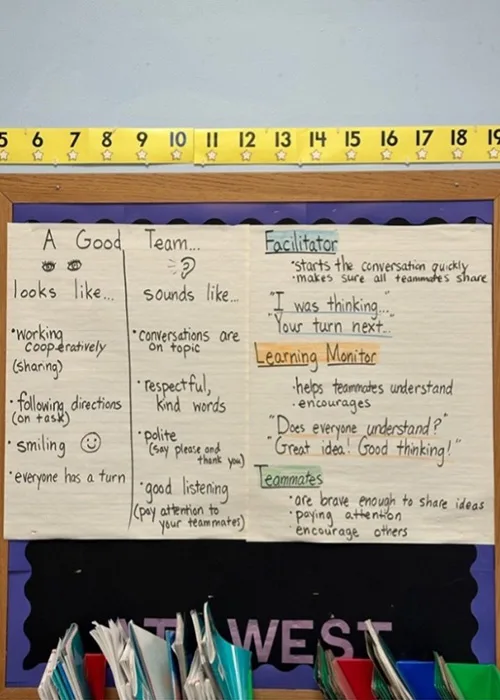
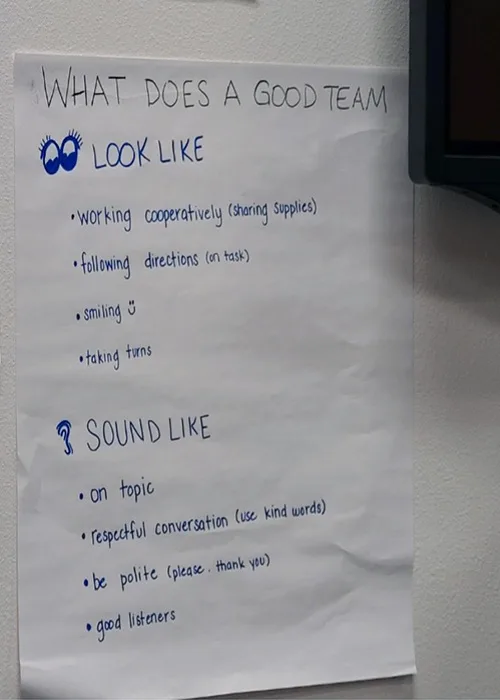
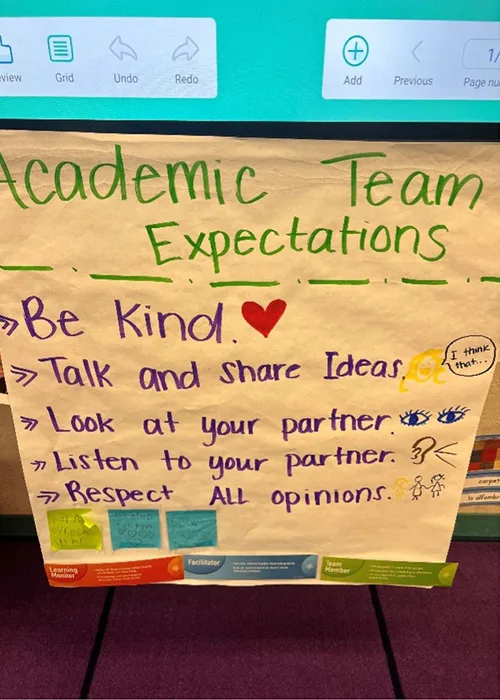
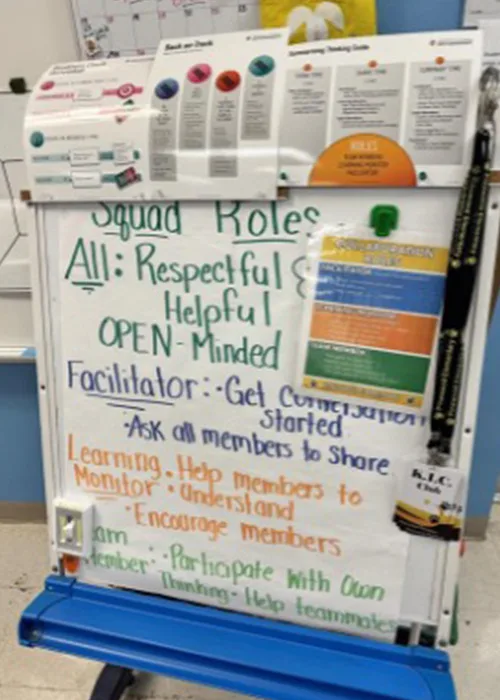
The following free resources were all created or reviewed by academic teaming experts. They include reference materials from The Power of Student Teams: Achieving Social, Emotional, and Cognitive Learning in Every Classroom Through Academic Teaming (Toth & Sousa, 2019) as well as tools and examples created by teachers and used in real classrooms across the country. All resources align with best practices and can be used to gain a deeper understanding of the Model of Instruction for Deeper Learning® and get started on your teaming journey.
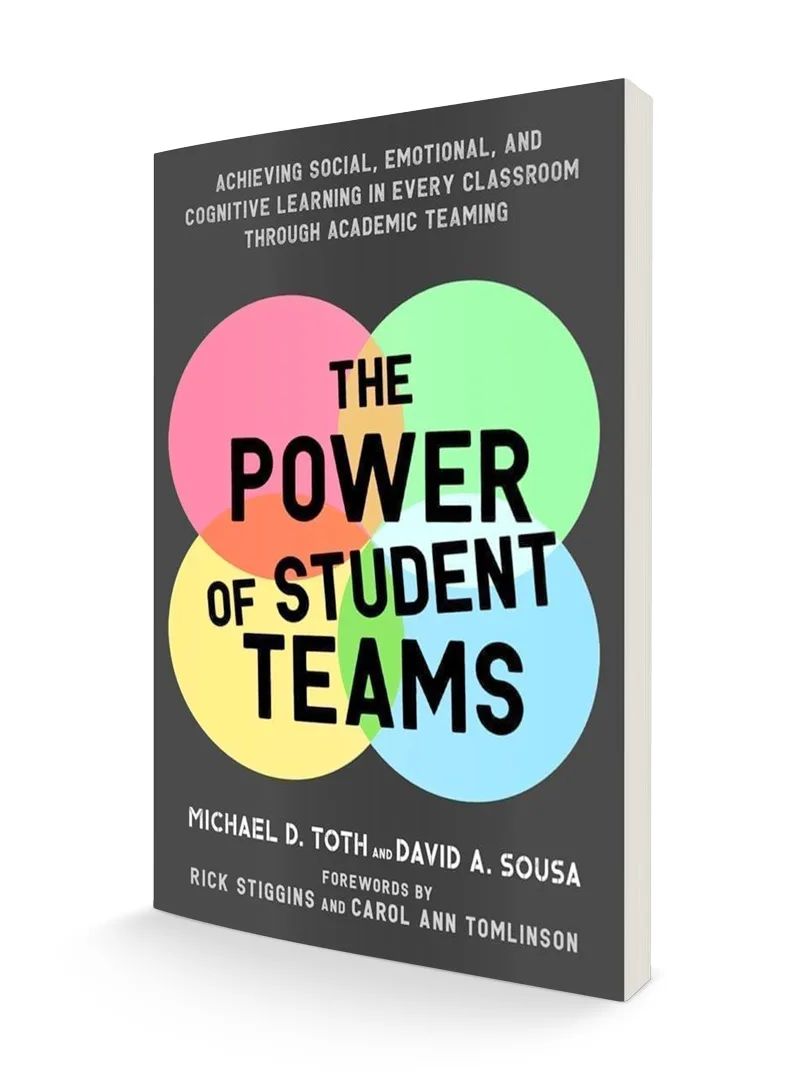
The Power of Student Teams
Achieving Social, Emotional, and Cognitive Learning in Every Classroom Through Academic Teaming
In this multi-award-winning book, authors Michael D. Toth and David A. Sousa present a new instructional process called student-led academic teaming, the most effective way to achieve both academic skills and authentic life skills.
“Finally, a book that inspires hope for educators, empowers kids, and shows how all stakeholders can advance academic achievement.”
Tawana GroverFormer Superintendent, Grand Island Public Schools, Nebraska
“The Power of Student Teams approaches collaborative learning as no other. The book is scholarly, yet conversational and refreshing. I would certainly recommend it to other educators.”
Robin FogartyAuthor and Educational Consultant
“The Power of Student Teams stands in a tradition that started with Plato, Rousseau, and Dewey: students who take greater responsibility for their own learning will learn more effectively.”
Steven TozerProfessor Emeritus of Educational Policy Studies, University of Illinois at Chicago
“This book presents evidence that academic teaming is a sound, legitimate way for teachers to enhance learning and engage students in ways that seem far superior to traditional instruction.”
Mariale HardimanProfessor, Johns Hopkins School of Education
Michael D. Toth is founder and CEO of Instructional Empowerment and leads its Applied Research Center. He is also the author of Who Moved My Standards; and co-author with Robert Marzano of The Essentials of a Standards-Driven Classroom, School Leadership for Results, and Teacher Evaluation that Makes a Difference.
David A. Sousa
David A. Sousa is a renowned international educational consultant and author. He has penned over 16 books aimed at helping educators and parents apply contemporary brain research effectively to enhance learning strategies. His works bridge the gap between neuroscience and practical application in education.
Listen to a district’s experience of adopting the Model of Instruction for Deeper Learning, where students work in academic teams. Video Credit: School District U-46, IL.
Students in the early stages of working in teams discuss how they will learn effectively together through the new structures. This video shares examples from various elementary and secondary schools across the country.
This excerpt from an actual classroom lesson shows students thinking through a challenging math problem in their academic team using the Model of Instruction for Deeper Learning.
Teachers discuss how their practices have become more rigorous, engaging, and student centered through the Model of Instruction for Deeper Learning. This video includes examples of student-teacher interactions and academic teams from across the country.
Students at a rural high school approached their new principal to express that they did not feel prepared for college and careers. The school adopted academic teaming through the Model of Instruction for Deeper Learning and empowered their students with the academic skills and agency to break generational poverty.
Author Michael D. Toth delivers a keynote at the national Building Expertise Educators’ Conference. He explains the neuroscience of learning and the impact of a student-centered learning culture where students work in teams. Teachers can change a child’s brain. Schedule Michael for keynote speaking engagements.
Case Studies & Research Reports
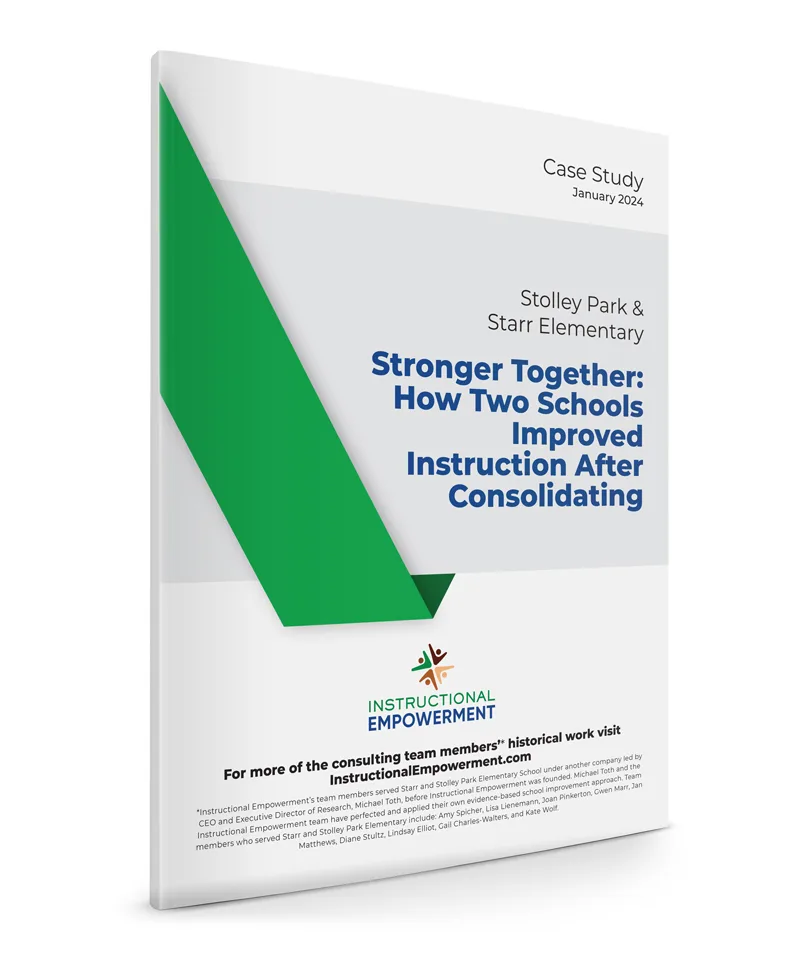
Stronger Together: How Two Schools Improved Instruction After Consolidating (2024).
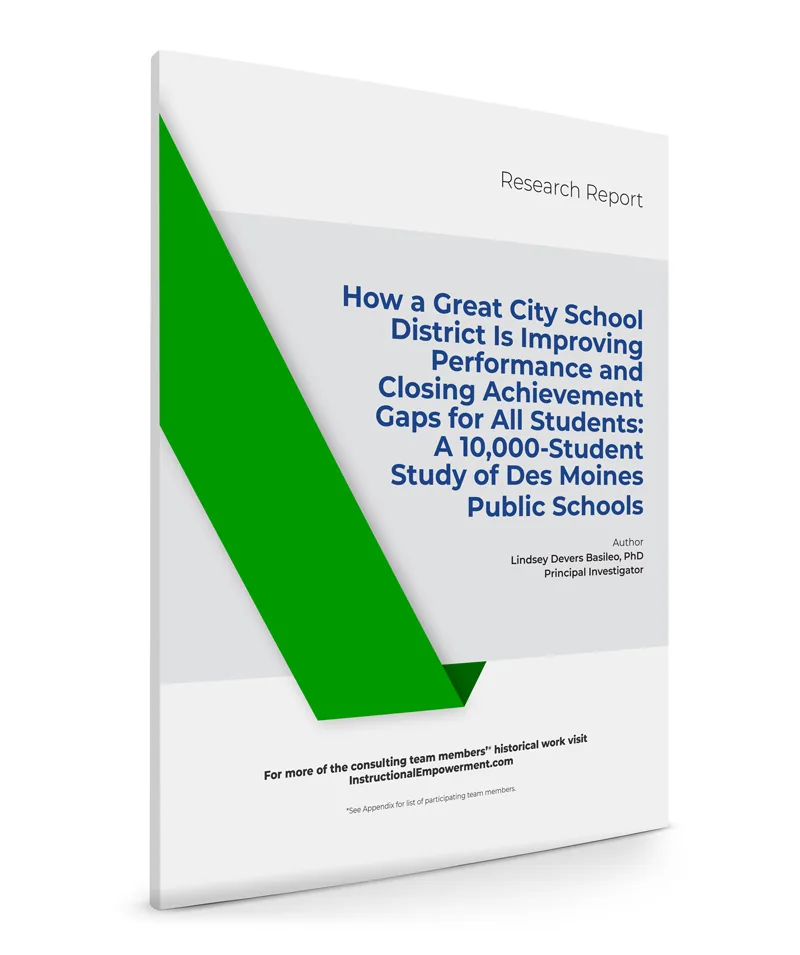
Basileo, L.D. (2019). How a Great City School District Is Improving Performance and Closing Achievement Gaps for All Students: A 10,000-Student Study of Des Moines Public Schools.
Cultivate Independent, Critical Thinking Through the Power of Student Collaboration
Instructional Empowerment’s Model of Instruction for Deeper Learning® cultivates independent, critical thinkers rather than dependent, compliant learners. Students become active learners as they work in academic teams.
Our experts coach teachers and schools to redesign instructional systems around this student-led model, rapidly improving student behavior and achievement through rigorous, engaging instruction.